Behind the Build: Lessons from the Concord Laneway Suite
Laneway housing offers a creative solution to urban density, unlocking value in underutilised plots and offering flexible living options in established neighbourhoods. But building these compact homes isn’t without its challenges. The Concord Laneway Suite in Toronto, built by ZZ Contracting, is a standout example of how thoughtful planning, strong collaboration, and adaptive problem-solving can result in a high-quality, architecturally compelling home on a constrained site.
We spoke to the team at ZZ Contracting to unpack the realities of laneway construction—from material choices to structural coordination—and to gather insights for homeowners considering their own laneway journey.
For other laneway, granny flat or ADU designs, see here
What challenges did you face building in a laneway setting?
A key challenge with laneway builds is managing the relationship with neighbouring properties. While many neighbours were supportive of the Concord Laneway Suite, others had concerns—especially around site access and the impact of construction. ZZ Contracting prioritised clear, consistent communication to maintain transparency and resolve issues as they arose.
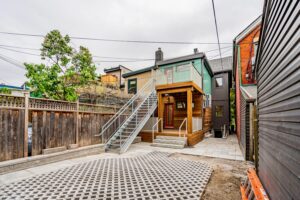
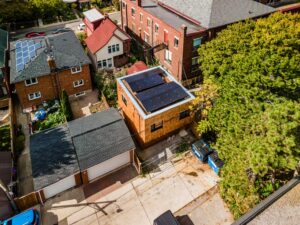
In Toronto’s tight urban fabric, access and logistics also posed a challenge. Coordinating deliveries and trades on a narrow lot required precise scheduling and flexibility, ensuring construction could proceed with minimal disruption.
How did planning and decision-making influence the build process?
Thoughtful decision-making and client responsiveness played a major role in keeping the project on track. When a selected tile became unavailable, the team quickly sourced a comparable option and secured client approval within 24 hours.
Avoiding delays hinged on having a client who was engaged and decisive. Preliminary pricing and detailed construction documentation by Syllable Design also reduced surprises during construction, allowing ZZ Contracting to move forward with confidence and efficiency.
What role did collaboration play in the project’s success?
Trust was central to the project’s success. From the outset, the client, Marisa, treated the process as a collaboration—placing confidence in both the design and construction teams. This spirit of partnership enabled faster problem-solving and kept the focus on quality and delivery.
When all stakeholders are aligned—client, architect, and builder—the process is smoother, more resilient to challenges, and ultimately more enjoyable for everyone involved.
Were there any technical challenges in achieving the material mix?
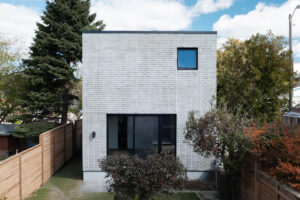
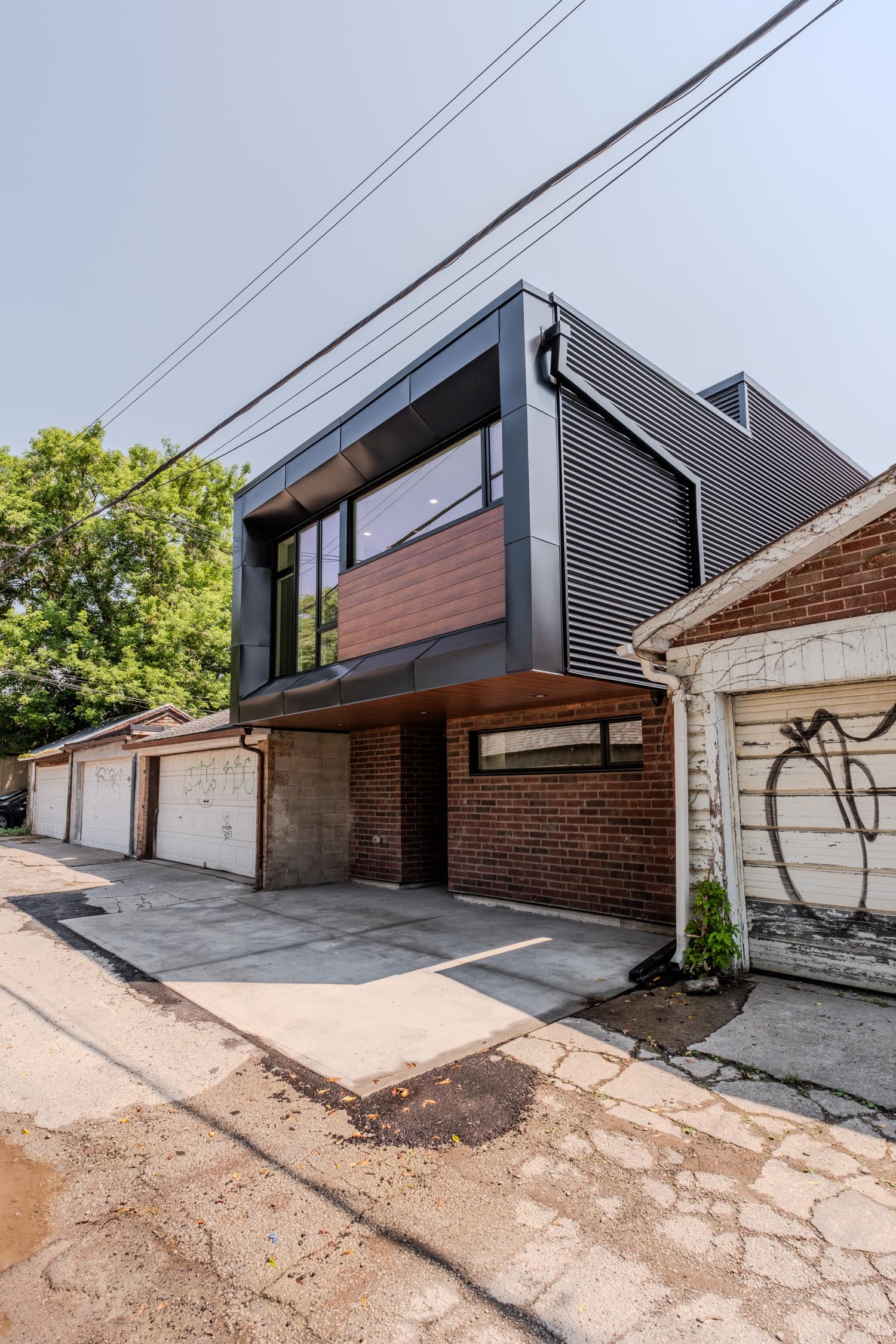
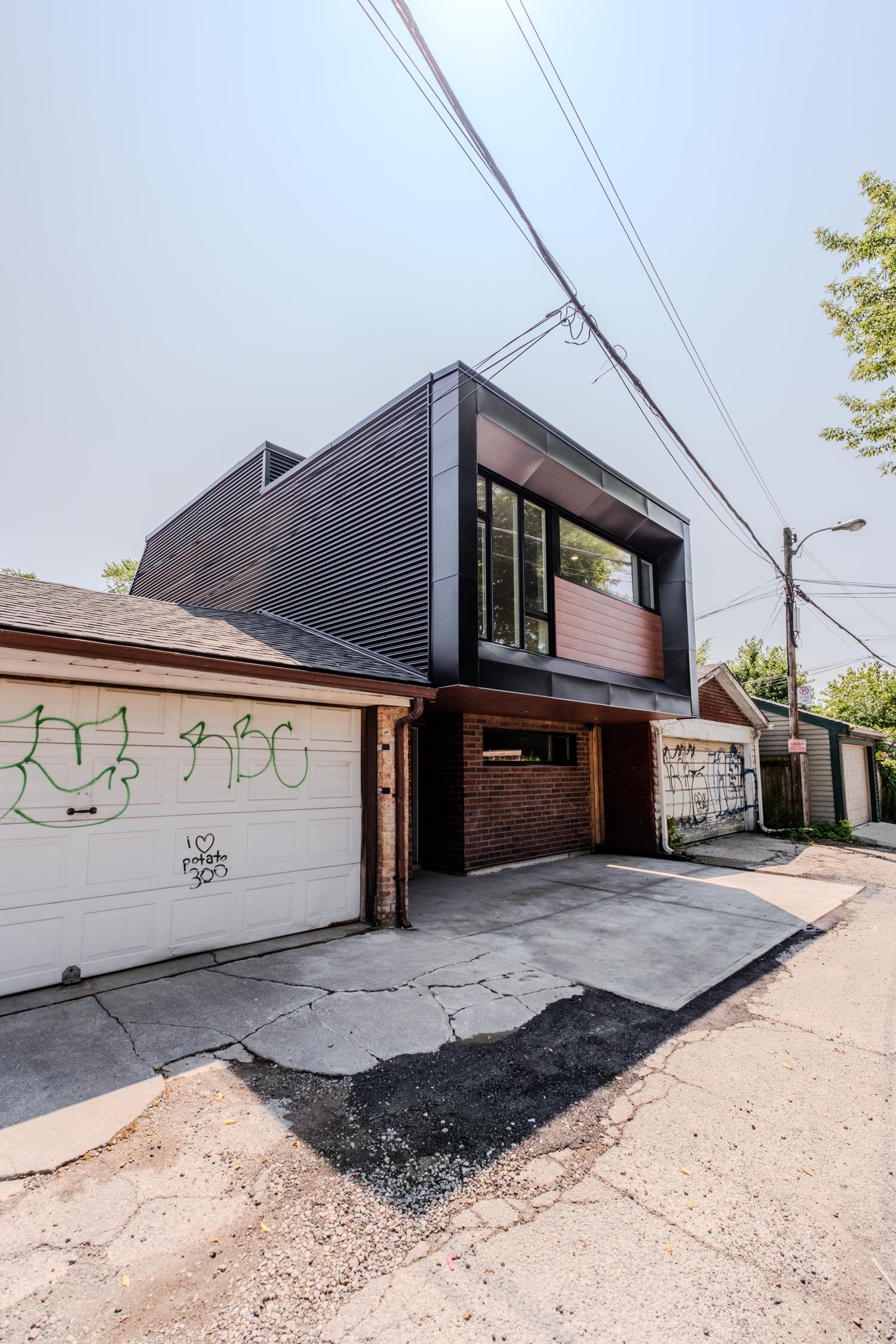
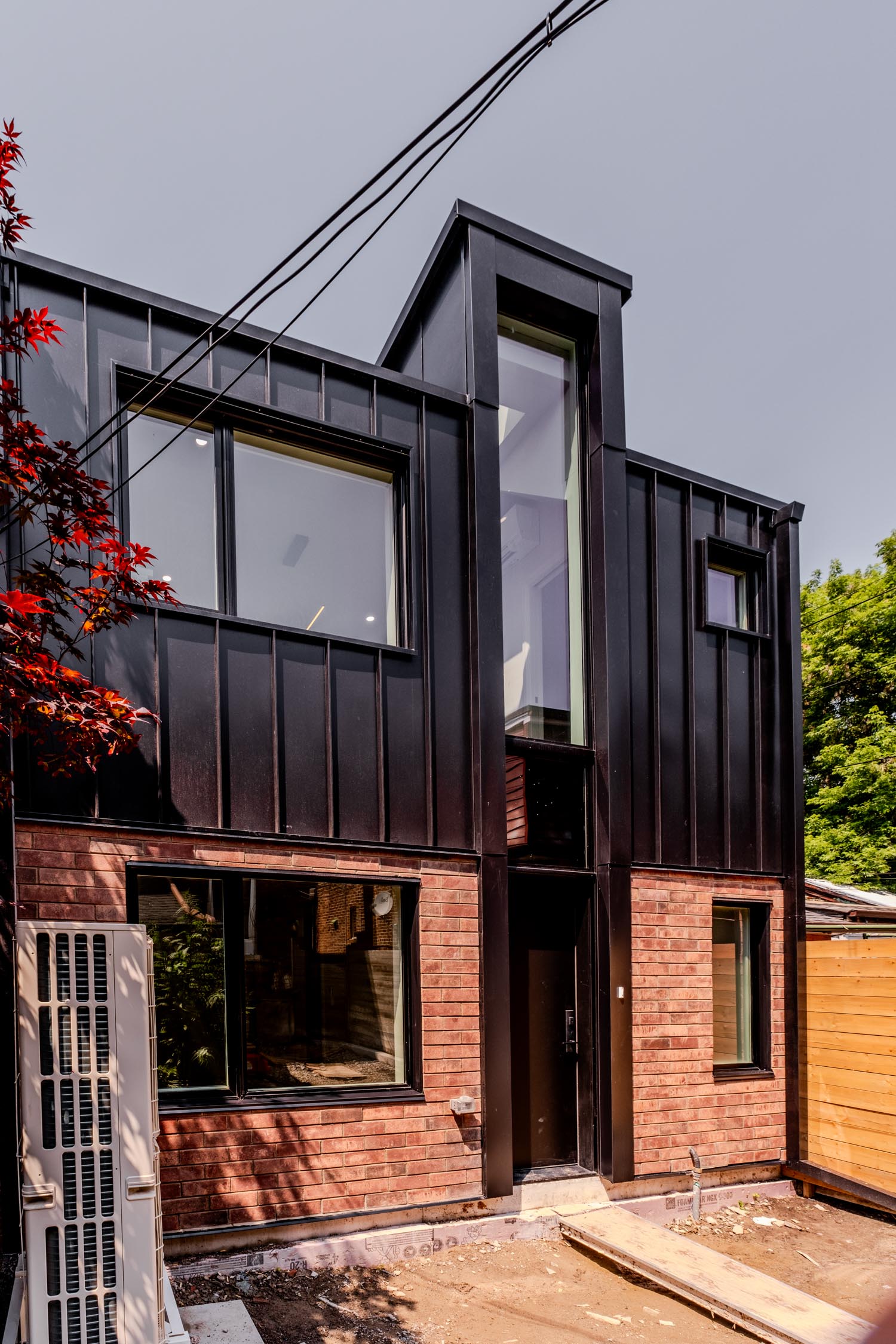
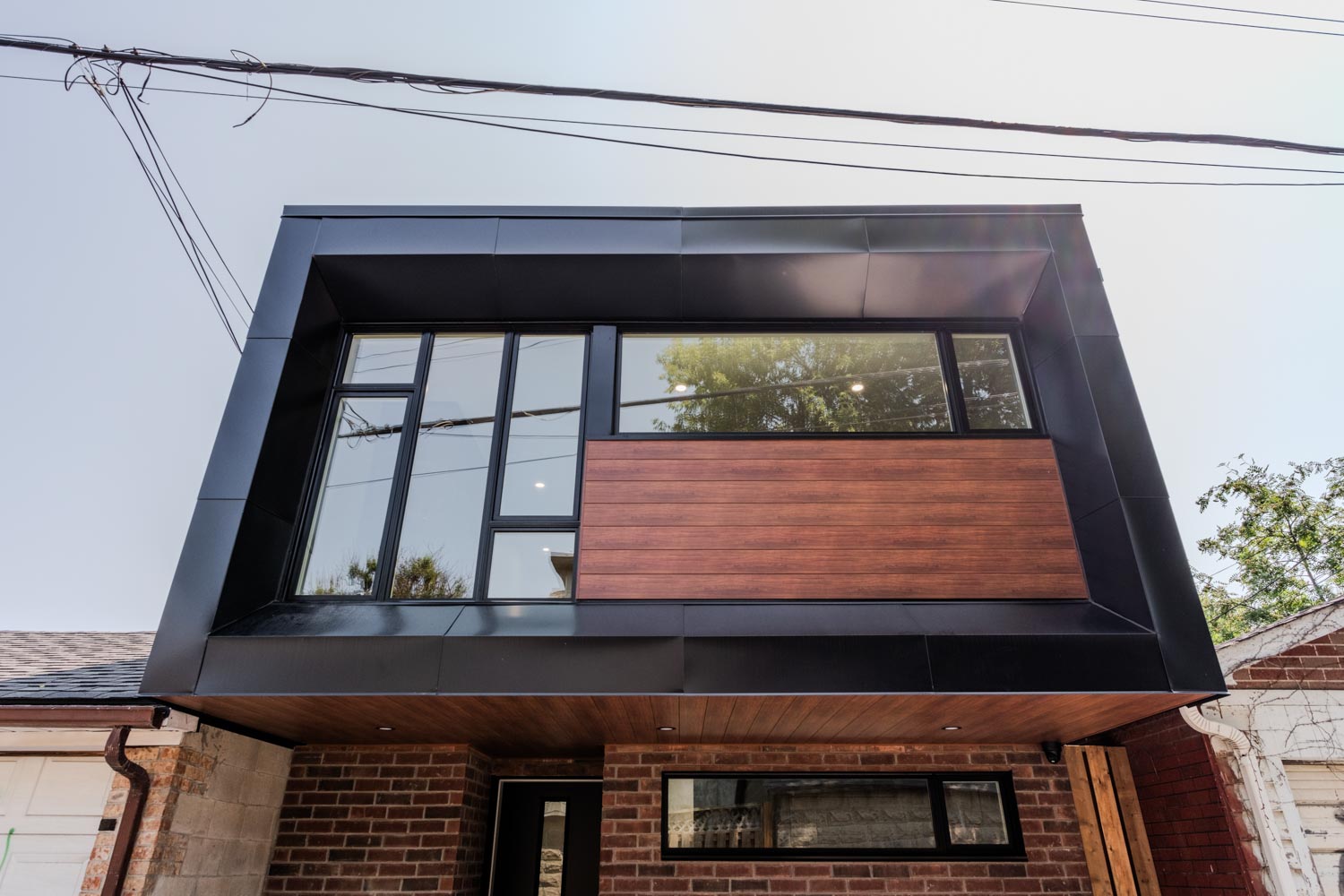
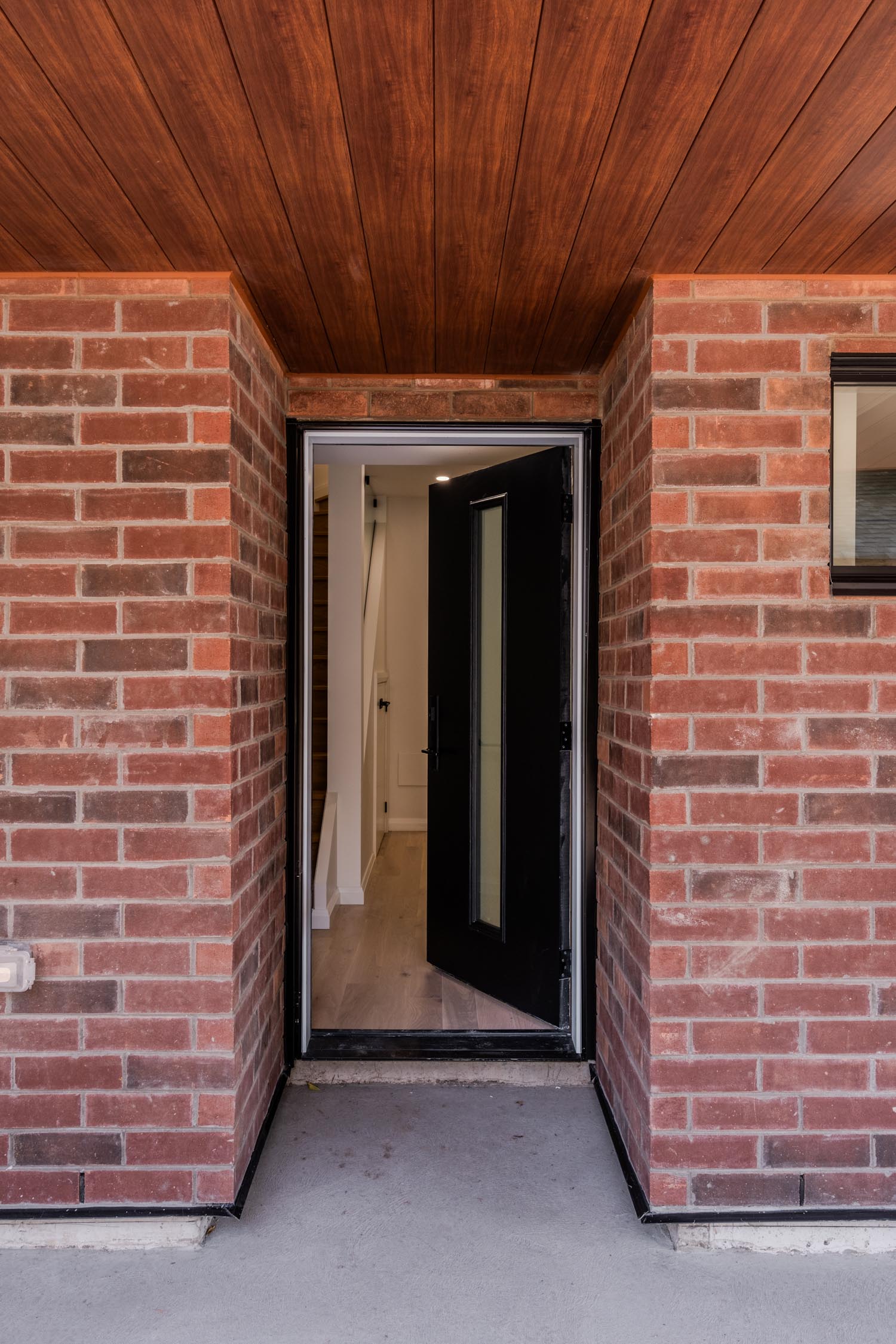
The Concord Laneway Suite features a thoughtful blend of materials: standing seam metal cladding, traditional red brick, and refined walnut timber detailing. Achieving this vision demanded technical precision, particularly in aligning roof and wall cladding systems.
ZZ Contracting worked closely with suppliers and trades to ensure clean transitions between materials. Particular attention was paid to the matte black architectural frames and walnut panels, which required millimetre-accurate alignment to maintain visual integrity.
How did the sunken living room and split-level floor plan affect construction?
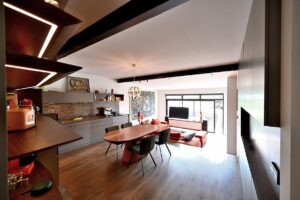
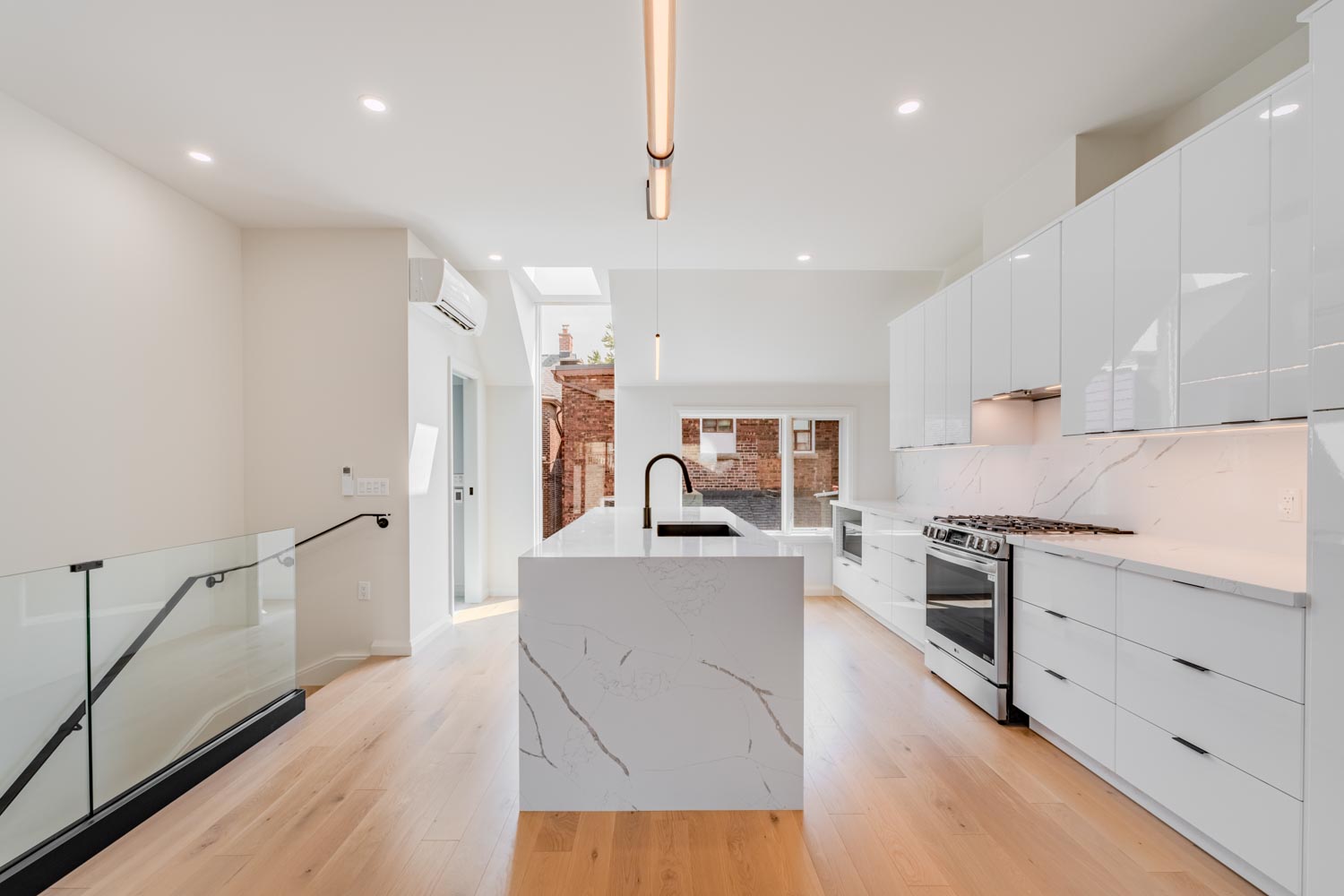
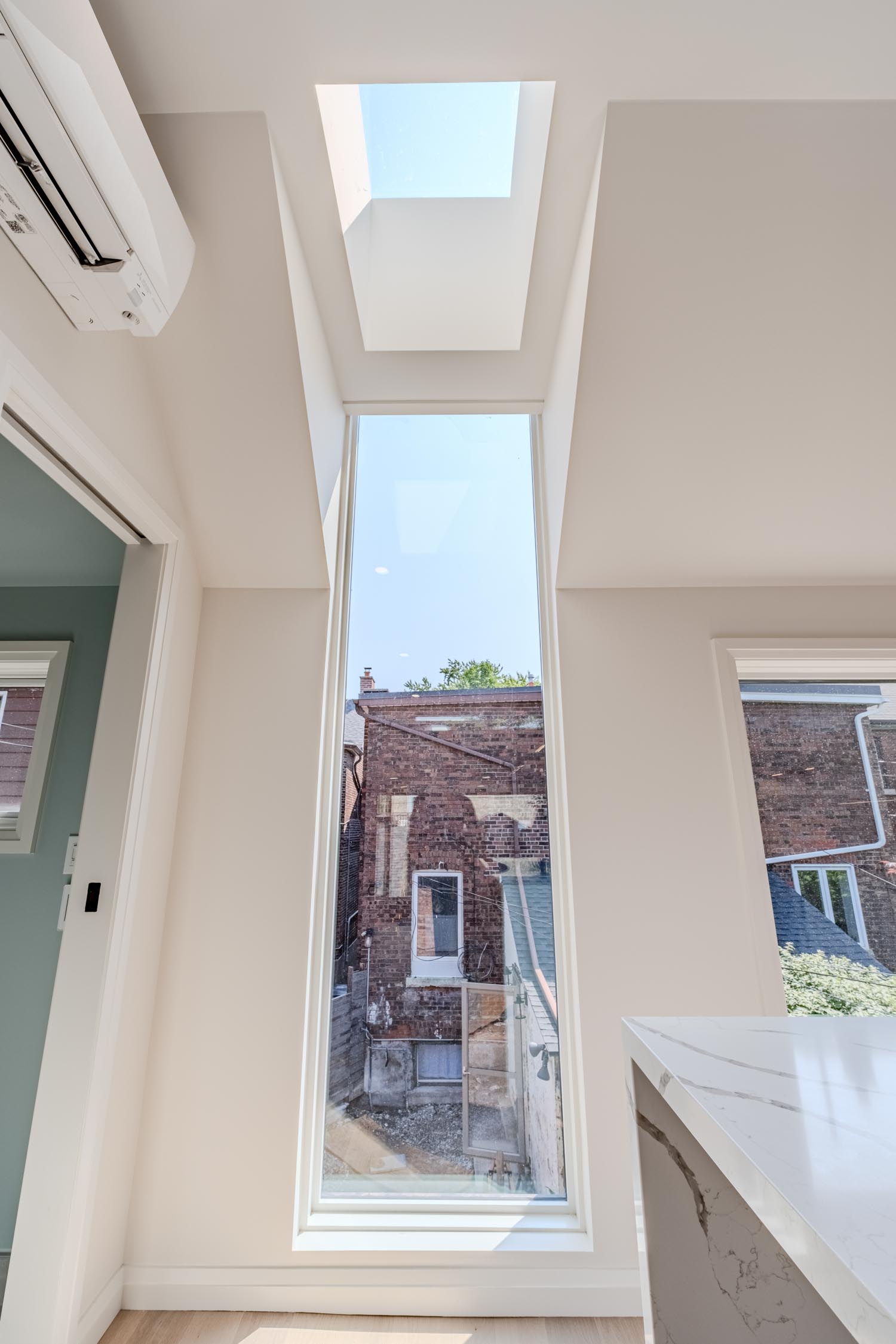
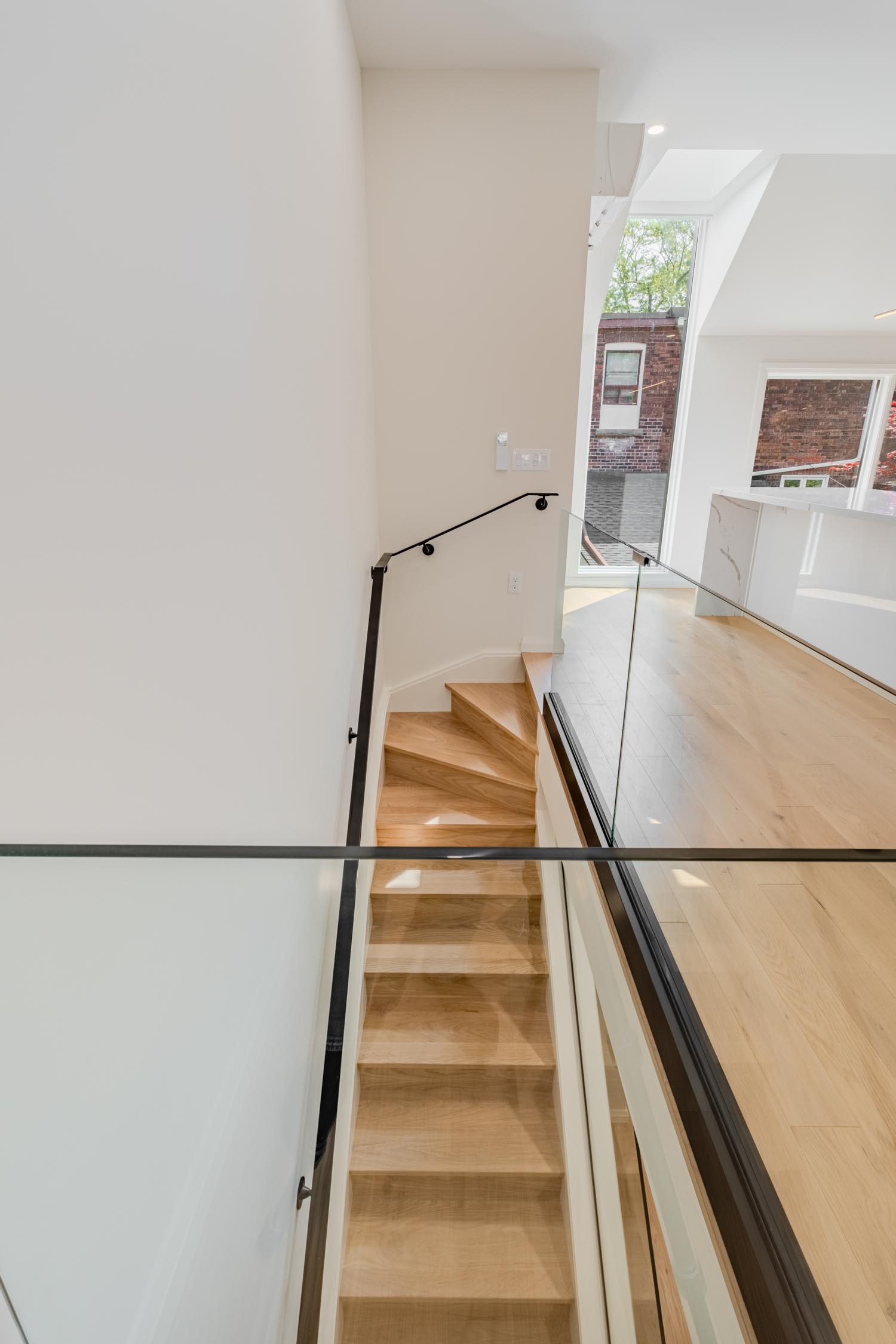
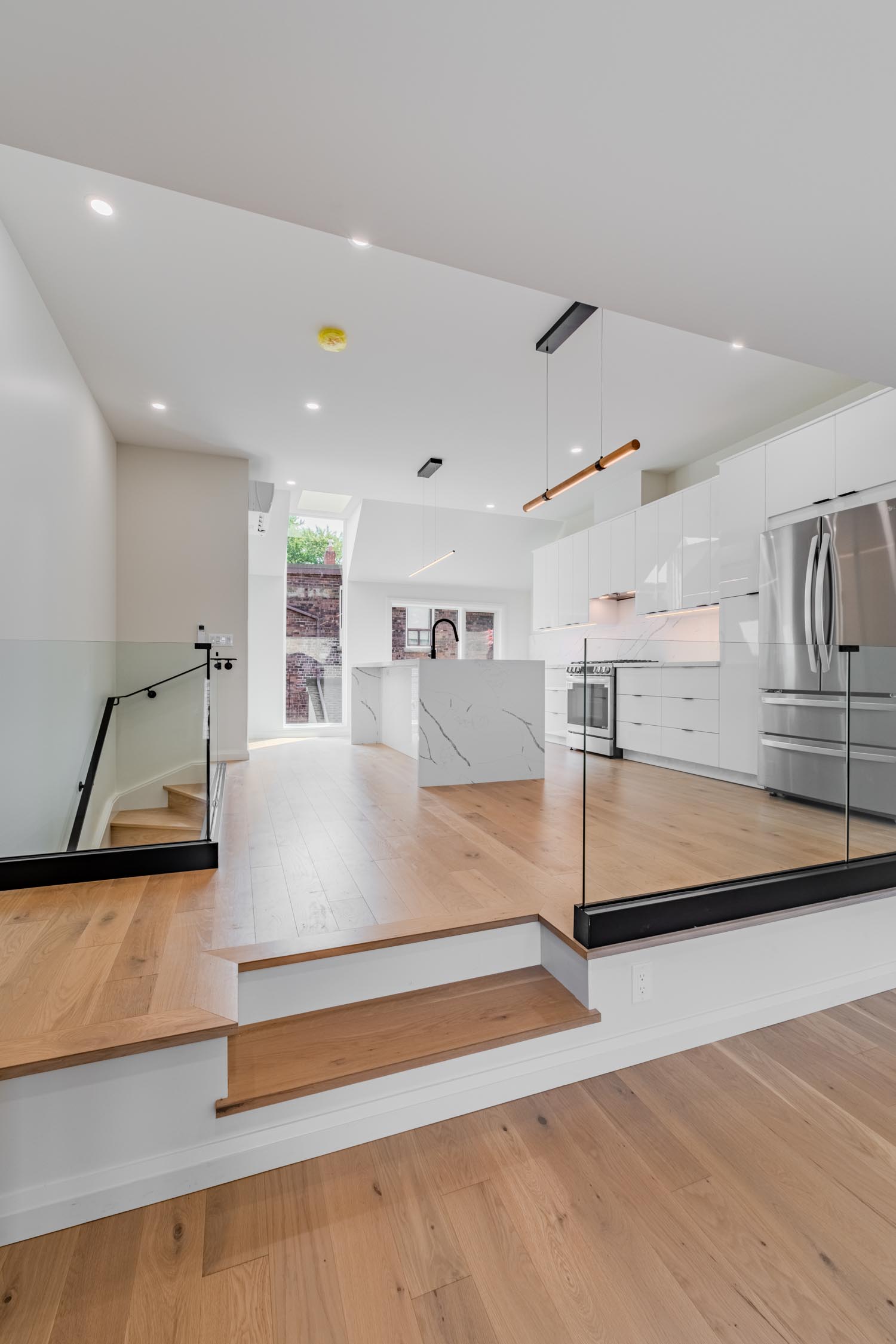
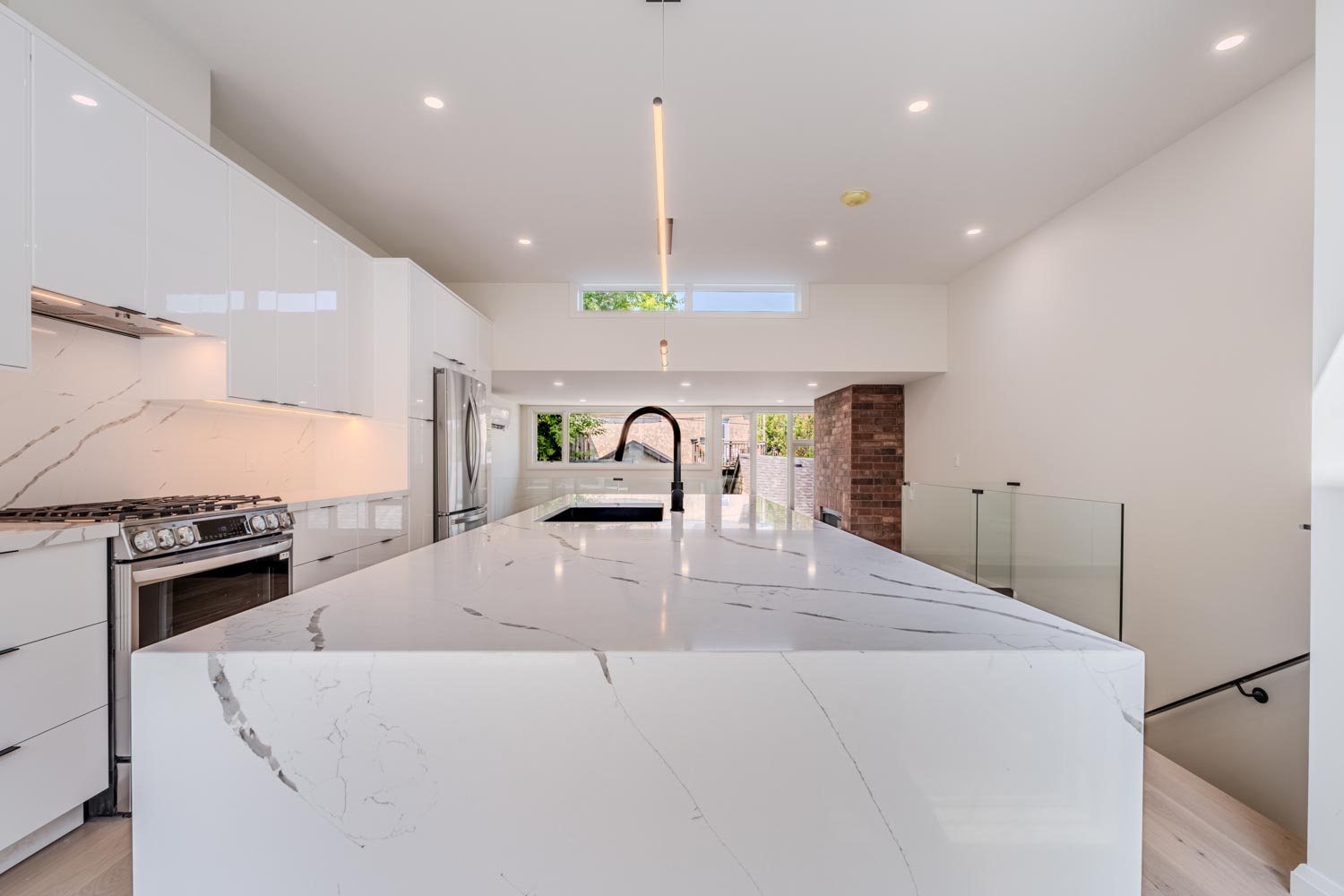
Unique spatial features like the sunken living room and split-level second floor introduced structural complexity. These design elements influenced both the framing approach and the build sequencing, requiring close coordination between structural and architectural teams.
The brick-clad gas fireplace added another layer of planning—integrating characterful materials while addressing technical needs such as ventilation and safe installation.
What advice would you give to homeowners considering a laneway suite?
Laneway homes are a rewarding investment, but they come with a learning curve. Unlike traditional homes, they demand creativity, flexibility, and close coordination among all parties.
ZZ Contracting recommends engaging experienced professionals early, staying realistic about timelines and costs, and remaining actively involved in decision-making. For Marisa, the success of the Concord Laneway Suite came down to trust, clarity, and collaboration—turning a complex urban build into a warm, durable and beautifully executed home.