Creative Housing Solutions: What the Experts Say About Smarter Design
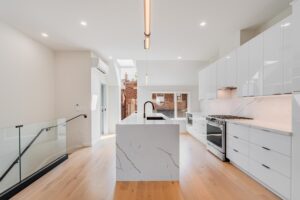
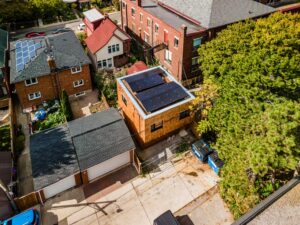
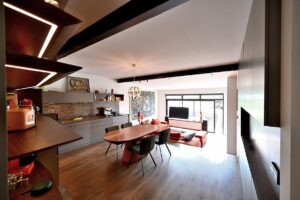
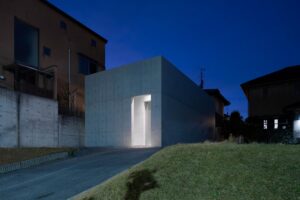
As the cost of living rises and housing supply becomes increasingly strained, a growing number of Australians are turning to compact, smartly designed dwellings—like townhouses, secondary dwellings, and tiny homes—as practical and permanent solutions.
We reached out to a cross-section of professionals—architects, builders, developers, designers, and property experts—to get their thoughts on housing solutions and how downsized living can deliver big benefits. Here’s what they had to say:
“Smaller-scale housing is the most effective way to increase density without compromising lifestyle.”
— Lockhart Krause, Architects (lockhartkrause.com.au)
“A compact footprint doesn’t mean a compromise on comfort or livability. We approach smaller dwellings with the same design principles as larger ones—light, privacy, spatial clarity—just distilled. Smarter planning allows us to create homes that feel generous without using unnecessary space. In our experience, people actually engage more with their homes when every square metre is intentional.”
“The housing crisis isn’t just about quantity—it’s about building the right kind of homes.”
— Project Manager, Upscale Project Management (upscalepm.com.au)
“A lot of current housing stock is mismatched to modern needs—either too large, too costly to maintain, or too far from key services. Smaller, strategically located dwellings fill the gap. As project managers, we’re seeing more developments embrace medium density with smart layouts and shared infrastructure. It’s faster, more efficient, and better aligned with how people actually want to live today.”
“Design-led compact housing can elevate the whole neighbourhood.”
— Studio PFA (studiopfa.com)
“We often work with developers who are nervous about downsizing the build—but once they see what’s possible architecturally, their perspective shifts. Smaller dwellings give us the opportunity to introduce character, diversity, and street appeal. When executed thoughtfully, they don’t just solve housing shortages—they contribute positively to the built environment.”
“The shift to smarter housing helps reduce waste—not just in space, but in materials and money.”
— Warren Cowan, Owner, Absolute Rubbish Removals (absoluterubbish.com.au)
“After 26 years in rubbish removal, I’ve seen how much waste comes from overbuilt homes and renovations that didn’t need to happen. Smaller, smarter homes create less construction waste, and people tend to live more mindfully in them. We also love seeing old materials reused in tiny house projects—things like reclaimed timber and windows get a new lease on life.”
“Tiny homes and compact living are pushing people to really understand what matters.”
— Swell Building Inspections (swellbuildinginspections.com.au)
“Buyers looking at tiny or compact homes ask smarter questions. They’re more interested in energy efficiency, insulation, durability—less focused on square footage and more on performance. It’s a positive shift. We’re seeing people make more sustainable, long-term decisions because the home is simpler and easier to assess for quality.”
“Your online presence should reflect the simplicity and clarity of your home.”
— Bayside Website Design (baysidewebsitedesign.com)
“There’s a parallel between clean design in websites and clean design in housing. Just like a tiny home maximises every nook, a good digital presence should be streamlined and purposeful. Many of our clients in the tiny house or compact housing space are focused on storytelling—sharing their build journey and the lifestyle it supports. That connection helps drive interest and trust.”
“Honouring memories”
“Even in compact dwellings, people want ways to honour what matters most to them. For some, that includes incorporating personalised pet memorial urns into their homes or gardens. These small, thoughtful details help ensure that downsized living doesn’t mean giving up on emotional connection or legacy—it actually makes those choices more intentional.”
“Building smaller makes room for better decisions—both literally and financially.”
— Concreter Hunter Valley (concreterhuntervalley.com.au)
“When clients choose smaller builds, they’re usually able to spend more on quality finishes, better slab design, or site drainage. You’re not spreading your budget thin across unnecessary space. The result is a better foundation—literally—for long-term value.”
“A compact home often frees people to live in better locations, closer to what matters.”
— Buyers Agent Directory (buyersagentdirectory.com.au)
“We’ve helped clients find small-footprint homes or blocks that support dual occupancy. That flexibility—adding a granny flat or building two townhouses where one house stood—can double housing supply in a single transaction. More buyers are open to this because it gives them better access to schools, transport, and employment hubs, instead of being pushed further out.”
“Small homes can be a springboard to big personal freedom.”
— Freedom Choice Academy (freedomchoiceacademy.com)
“A smaller home means lower costs, lower stress, and more time to focus on what actually matters in life. We work with people who are rethinking the way they live—not just for affordability, but for freedom. Tiny homes, studio dwellings, and well-designed secondary units help people reset financially, emotionally, and even spiritually. That’s powerful.”