Q&A with ZZ Contracting – The Challenges and Benefits of Building Project Bellevue
Converting a historic single-family home into a modern, energy-efficient triplex is no small task. At Project Bellevue, ZZ Contracting took on this challenge head-on—balancing structural upgrades with heritage preservation, and integrating high-performance building systems into a Victorian-era shell. The result is a striking multi-unit residence that not only meets today’s performance standards but also fits seamlessly within its neighbourhood context.
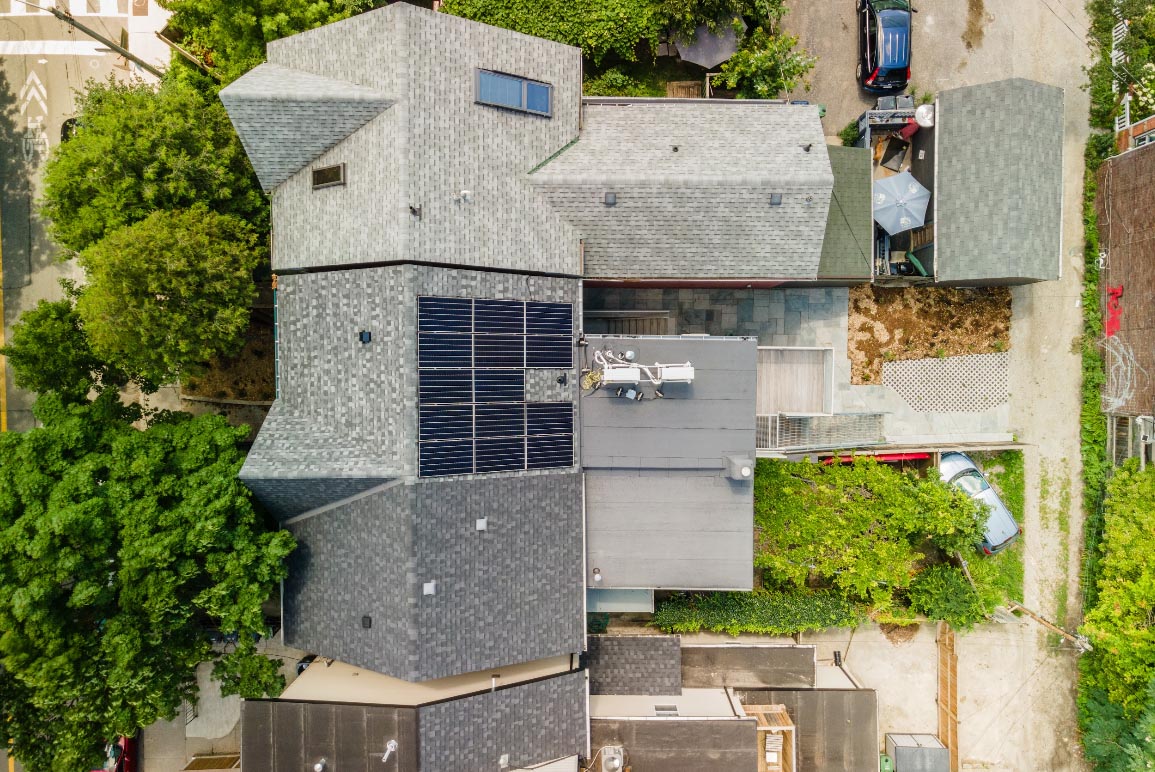
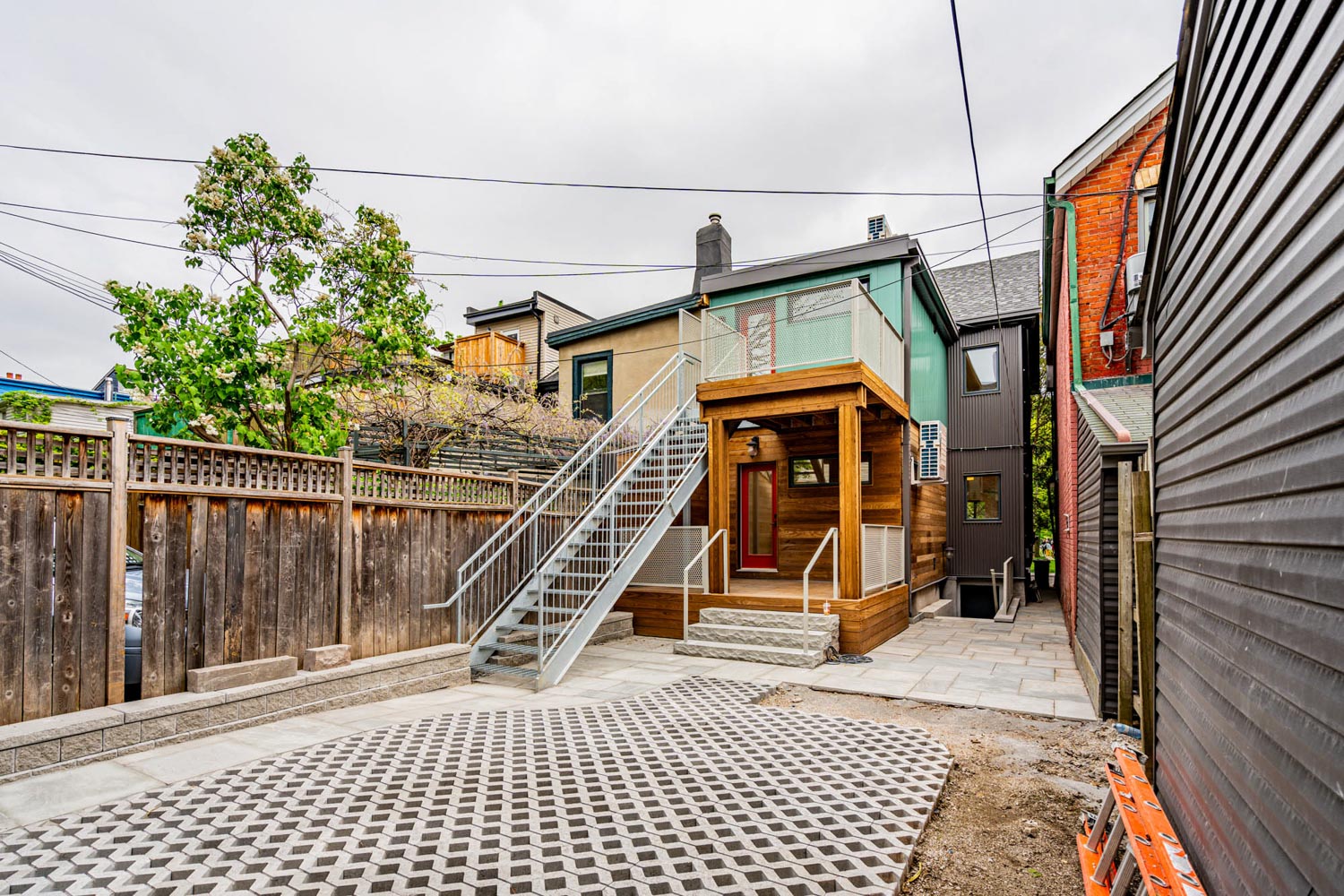
We sat down with the team at ZZ Contracting to talk about the complexities of adaptive reuse, smart construction strategies, and what other homeowners can learn from this project.
Converting a single-family home into a legal triplex is a complex process. What were the biggest challenges you faced during construction?
One of the biggest challenges was ensuring the structural integrity of the existing Victorian home while adapting it for multi-unit living. Rather than underpinning, we raised the floor heights during the rebuild, which required structural bracing and careful planning to maintain stability while improving ceiling heights.
We also had to meet modern building codes while respecting the original architecture, which meant reinforcing floor assemblies and updating mechanical, electrical, and plumbing systems without compromising the character of the home.
Raising the floor heights and adding a vaulted ceiling were key design moves. How did these changes impact the build?
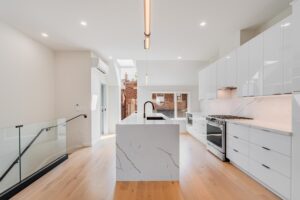
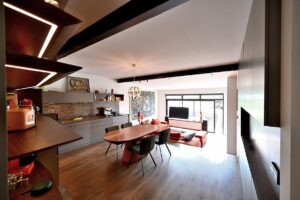
Raising the second-floor ceiling to create a vaulted space transformed the feel of the upper unit, making it feel much larger despite its modest square footage. However, it required precise structural adjustments and coordination with the roofline to ensure proper insulation and air sealing.
The decision to lift floor heights instead of underpinning also had a significant impact, as it allowed us to avoid excavation challenges while retaining existing window placements that optimised natural light and views.
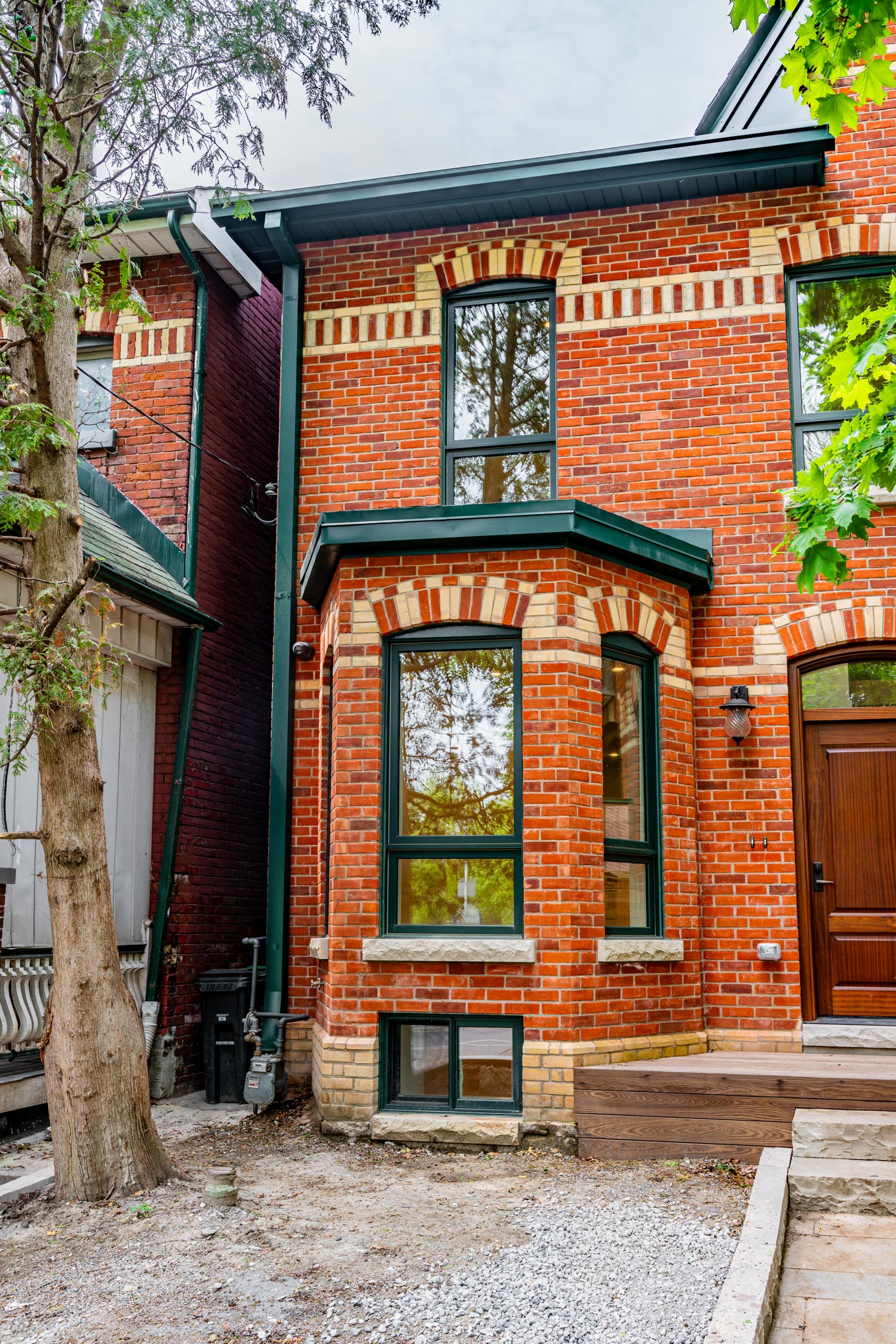
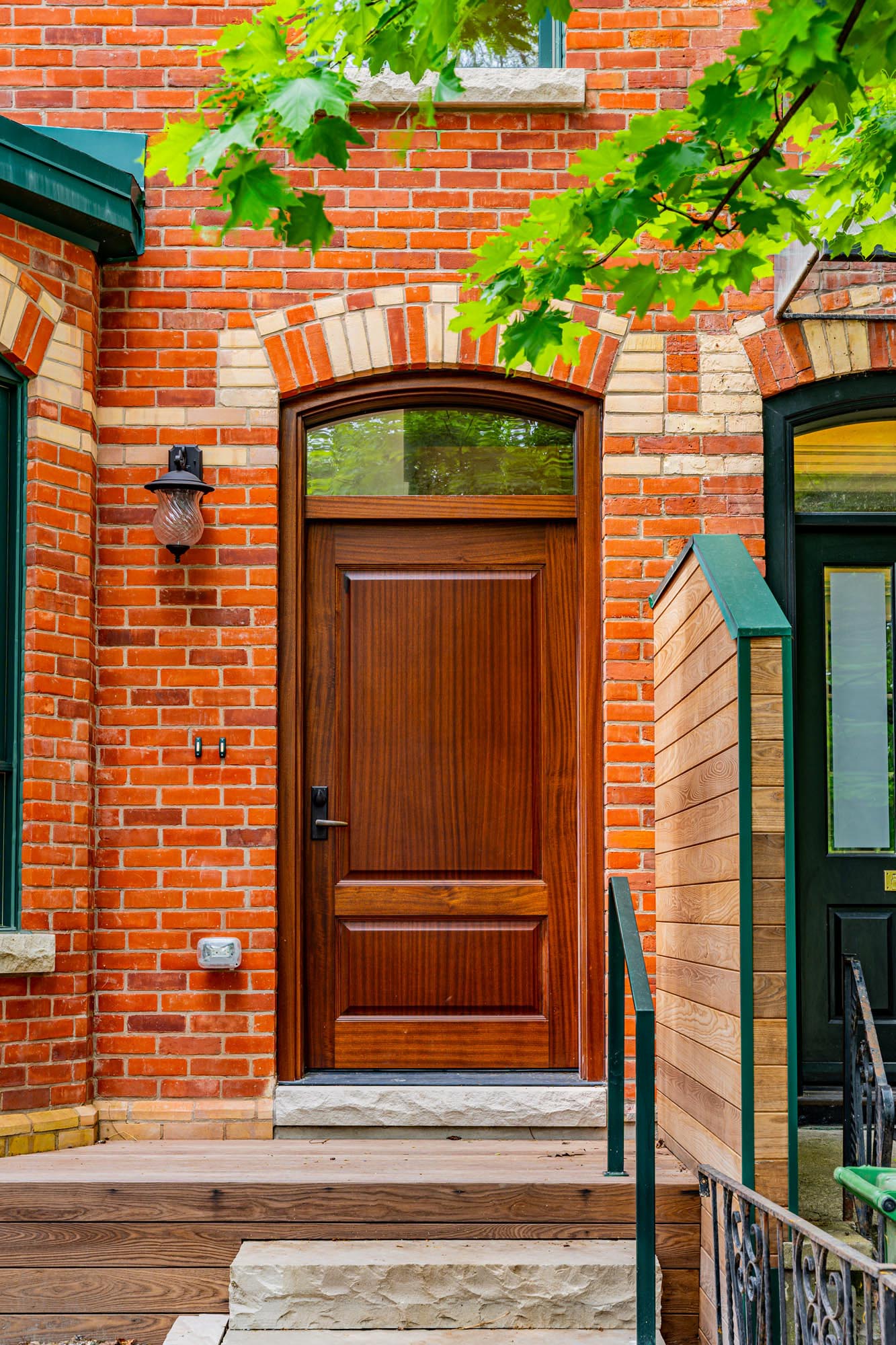
The project features high-performance materials like triple-glazed windows and spray foam insulation. What were the benefits and challenges of working with these?
Triple-glazed windows and continuous spray foam insulation were essential for improving energy efficiency and comfort in a multi-unit building. However, these materials required meticulous installation to ensure an airtight seal.
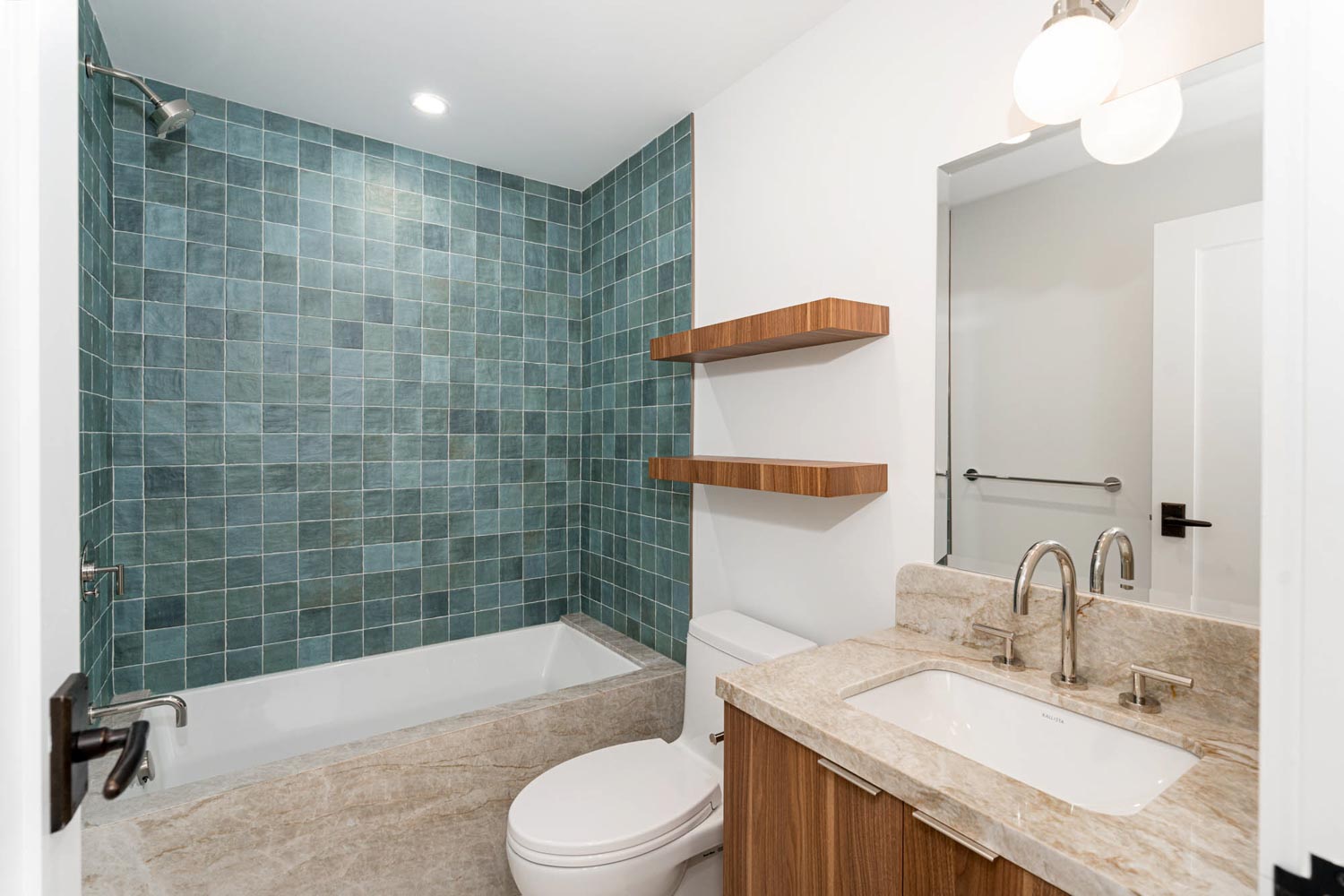
With older homes, there are always unexpected conditions behind the walls, so integrating modern insulation and high-performance windows while maintaining the Victorian brick façade took extra care. The result was well worth it—better thermal performance, soundproofing between units, long-term durability, and a distinctly unique property.
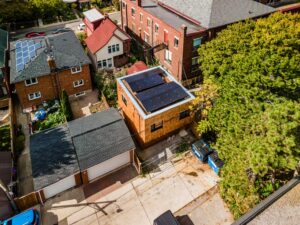
The triplex includes a rear addition with thermally modified ash and recycled metal cladding. How did you approach blending old and new materials?
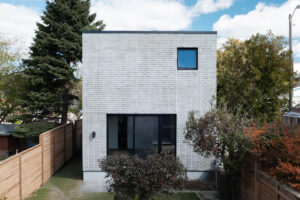
Complementing the Victorian front façade with the contemporary rear addition was a major focus. The original brickwork was carefully restored to maintain the home’s historic charm, counterbalanced by the thermally modified ash and recycled pacific turquoise metal at the rear.
The challenge was in making the transition between these materials feel organic and intentional rather than abrupt. This required precise detailing, especially around window and door openings, to ensure a cohesive look.
What unique challenges come with converting a home into a triplex compared to building a new multi-unit development?
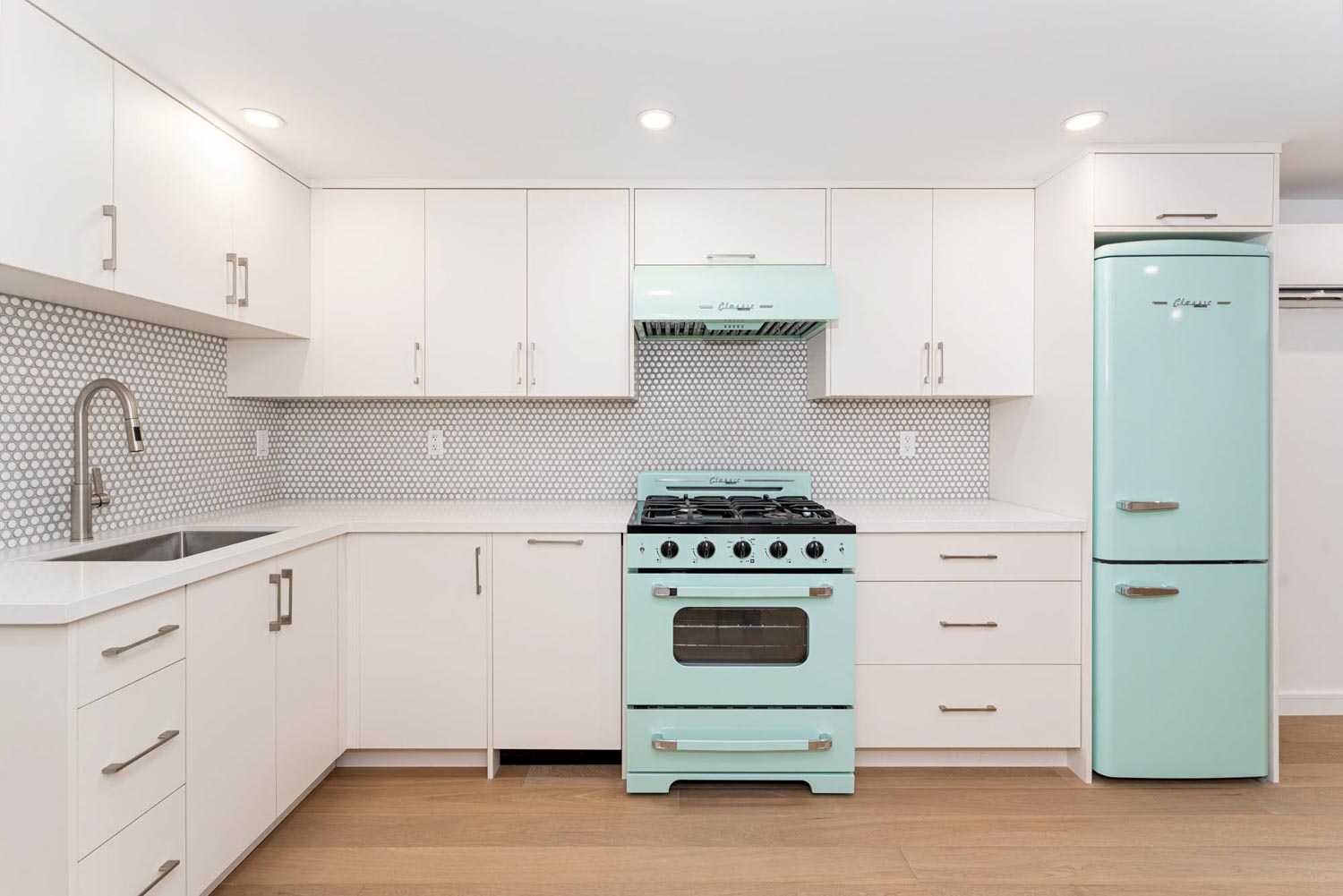
With a triplex conversion, you’re working within an existing structure, which means adapting to constraints that don’t exist in new builds. For Project Bellevue, we had to carefully plan vertical and horizontal separations for fire safety, soundproofing, and independent mechanical systems for each unit.
Unlike a purpose-built triplex, where everything is designed from scratch, we had to integrate these elements into a home that was never originally intended to house three separate units.
What are the long-term benefits of building a triplex, both for homeowners and the city?
Triplex conversions make better use of existing housing stock without drastically altering neighbourhood character. For homeowners, they create rental income opportunities while increasing property value.
For cities like Toronto, they help address the housing shortage by adding density in established areas without large-scale redevelopment. Project Bellevue is a great example of how thoughtful design and construction can turn an older single-family home into a modern, sustainable multi-unit residence that retains its historical charm.